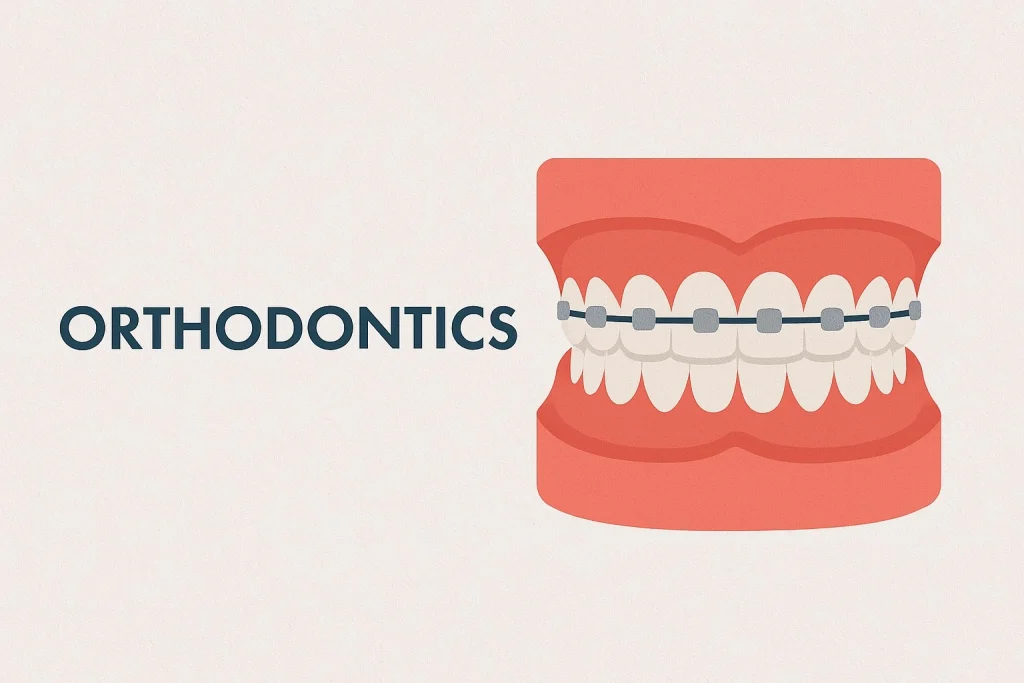
Invisalign vs. traditional braces
Invisalign offers a clear, removable alternative to traditional metal braces, while metal braces are more visible but can address complex issues.


Invisalign offers a clear, removable alternative to traditional metal braces, while metal braces are more visible but can address complex issues.
Yes, McLevin Dental offers clear aligners as an option for patients looking for a discreet and effective way to straighten teeth.
The process involves an initial consultation, creating impressions, fitting the braces, and regular check-ups for adjustments.
Braces may initially affect speech, especially after getting them, but most people adapt within a few days.
Braces adjustments are typically needed every 4-6 weeks to ensure progress and make necessary corrections.
Brush after every meal and use floss threaders or interdental brushes to clean between teeth and around braces.
Yes, it is possible to get braces if you have crowns or implants, but special care is required to avoid damaging them.
Retainers hold teeth in their new position after braces are removed, preventing them from shifting back to their original alignment.
An orthodontist specializes in correcting teeth and jaw alignment, while a general dentist provides overall dental care.
Most orthodontists don’t require a referral, but some insurance plans or specific clinics may ask for one before starting treatment.